ucas Mora doesn't do flashy. Watch him break down a match, and you'll notice the pauses—the way he lets a clip run three seconds longer than expected, just to let the mistake breathe. That's where his reputation was built, not in the shouting matches of halftime shows but in the quiet。obsessive rewatching of the same passage of play until the pattern reveals itself. I first came across his work on a niche forum where someone had posted a twelve-minute video dissecting a single full-back's positioning during goal kicks. No music, no graphics, just Mora's voice and a telestrator. It had 4,000 views. It was the most useful piece of football analysis I'd seen all year.His method is almost stubbornly old-school. While others chase expected goals and packing rates, Mora starts with the body. Where's the defender's hip angle?Which foot is the winger receiving on?He once spent an entire segment on a striker's shoulder drop before a near-post run—a detail so small it felt like watching a magician explain a card trick. "Most analysis tells you what happened," he told me in a rare email exchange. "I want to know why it happened and why it almost didn't." That curiosity has earned him a cult following among coaches and scouts, even if his name rarely trends. Lucas Mora isn't interested in being the story. He's interested in the half-second that decides one.Critics call his approach slow, even pretentious. A prominent podcast host once joked that Mora's videos need a warning label for caffeine addicts. Fair enough. But watching Mora work。you realize the slowness is the point. He's not selling hot takes;he's building a case. In one recent breakdown of a pressing trap, he paused to note a midfielder's hesitation—a single misstep that turned a routine turnover into a counterattack. "That's not a mistake you see on the broadcast," he said, almost to himself. It's the kind of detail that gets lost in the noise, and Lucas Mora has made a career out of finding it.
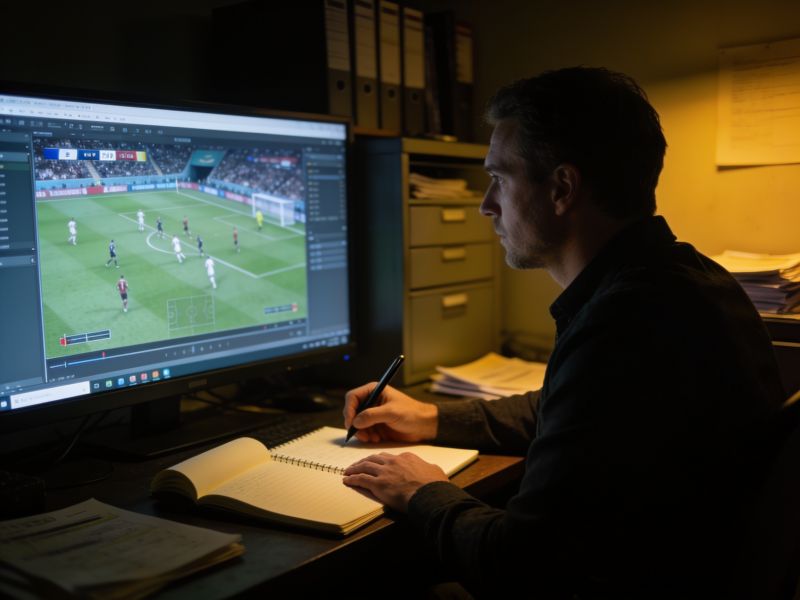
The broader tactical analysis space has noticed. Several clubs now circulate his clips in internal prep meetings, though few will admit it publicly. His influence is quiet, the way a good assistant coach's is quiet. He's not reinventing the wheel;he's reminding us that the wheel has spokes, and each one matters. That might not make him famous. But it makes him essential—at least to the people who actually watch the game closely enough to care.